
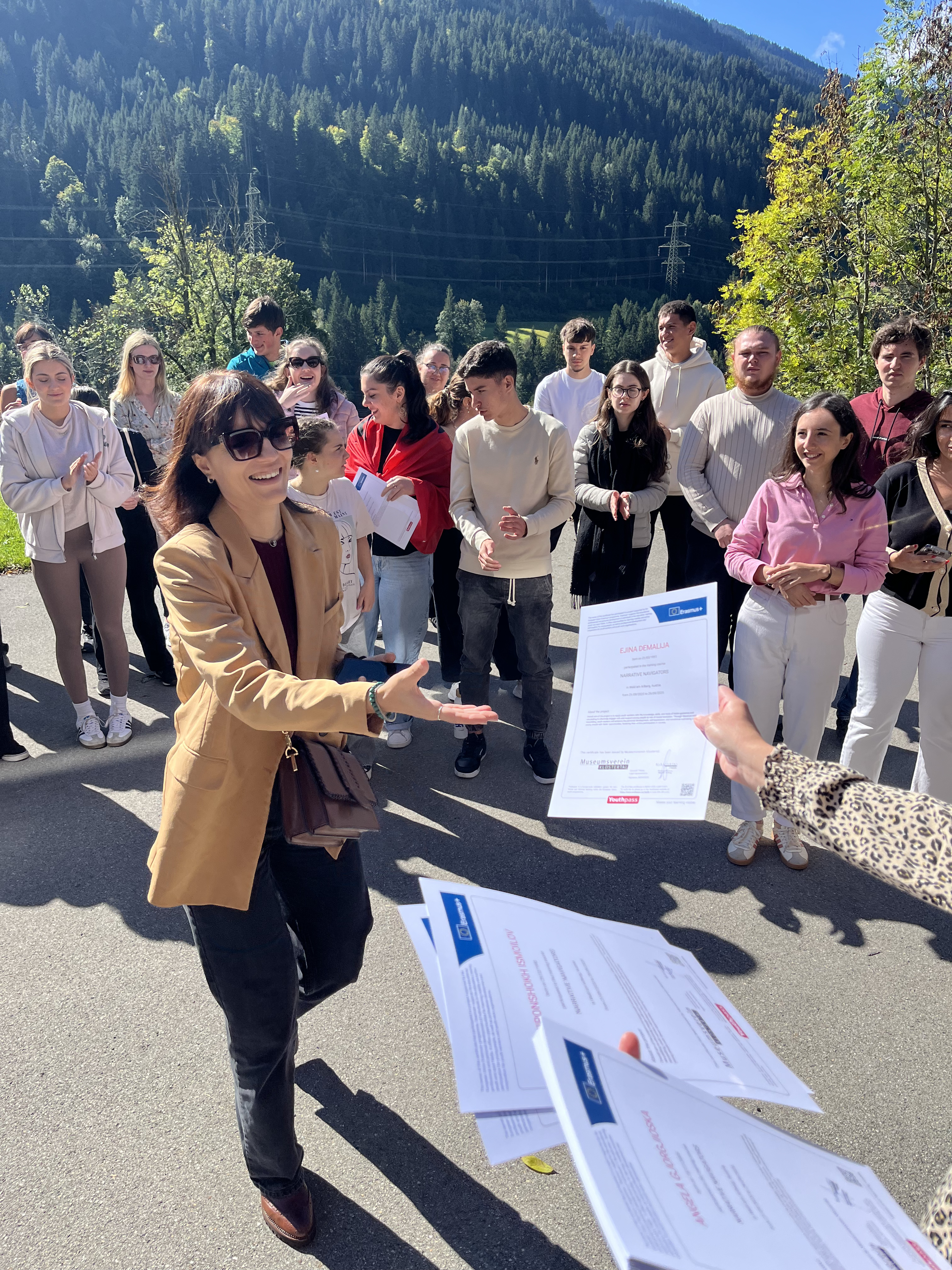
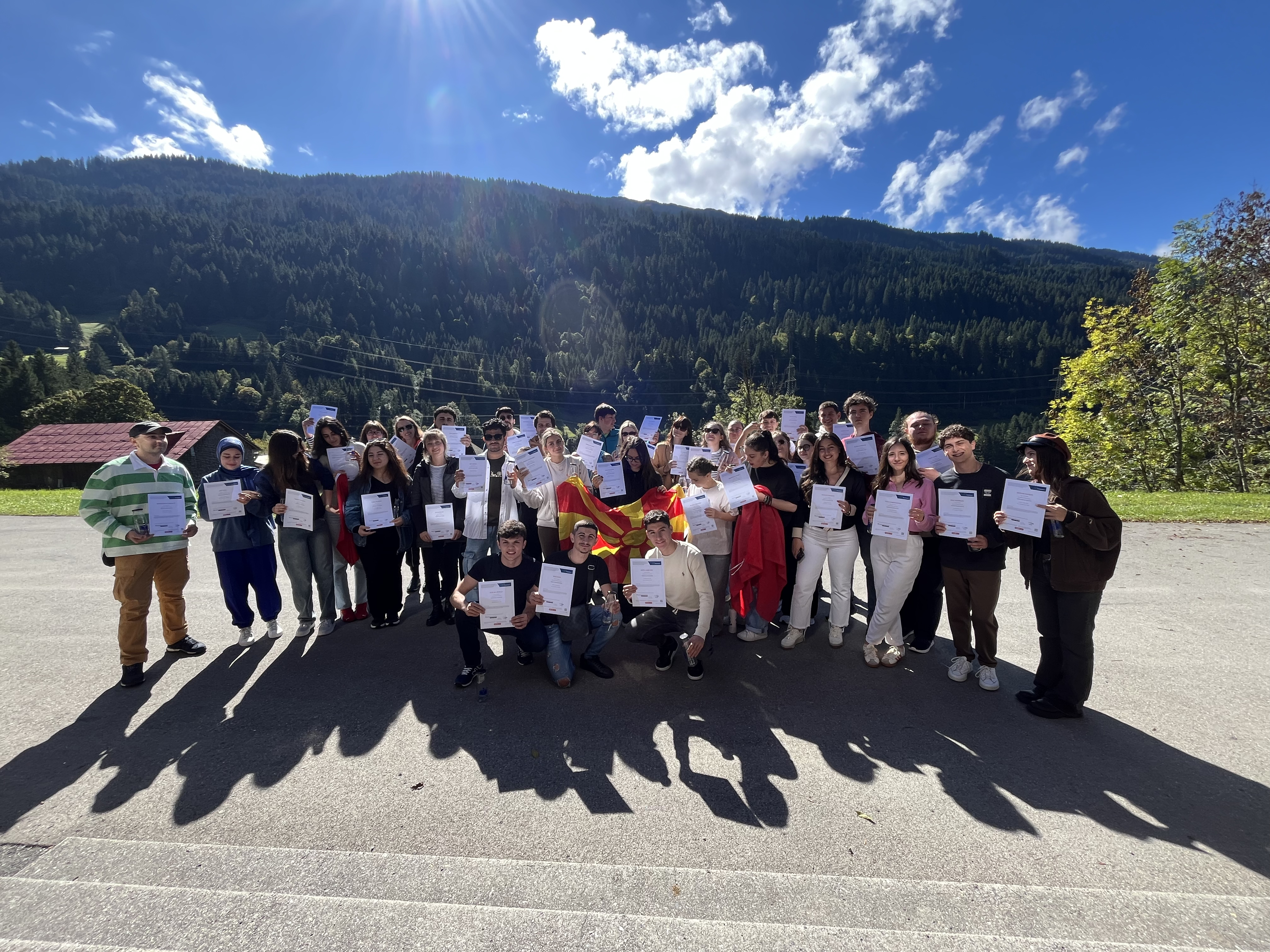
Narrative Navigators is an Erasmus+ KA153-YOU project in the field of youth (YOU), designed to strengthen the competences of youth workers supporting young people at risk of social exclusion, discrimination and emotional vulnerability. The project was coordinated by Museumsverein Klostertal (Austria) together with partner organisations from Romania, Hungary, Italy, Albania, Georgia, Azerbaijan, Moldova, North Macedonia, Türkiye and the Netherlands.
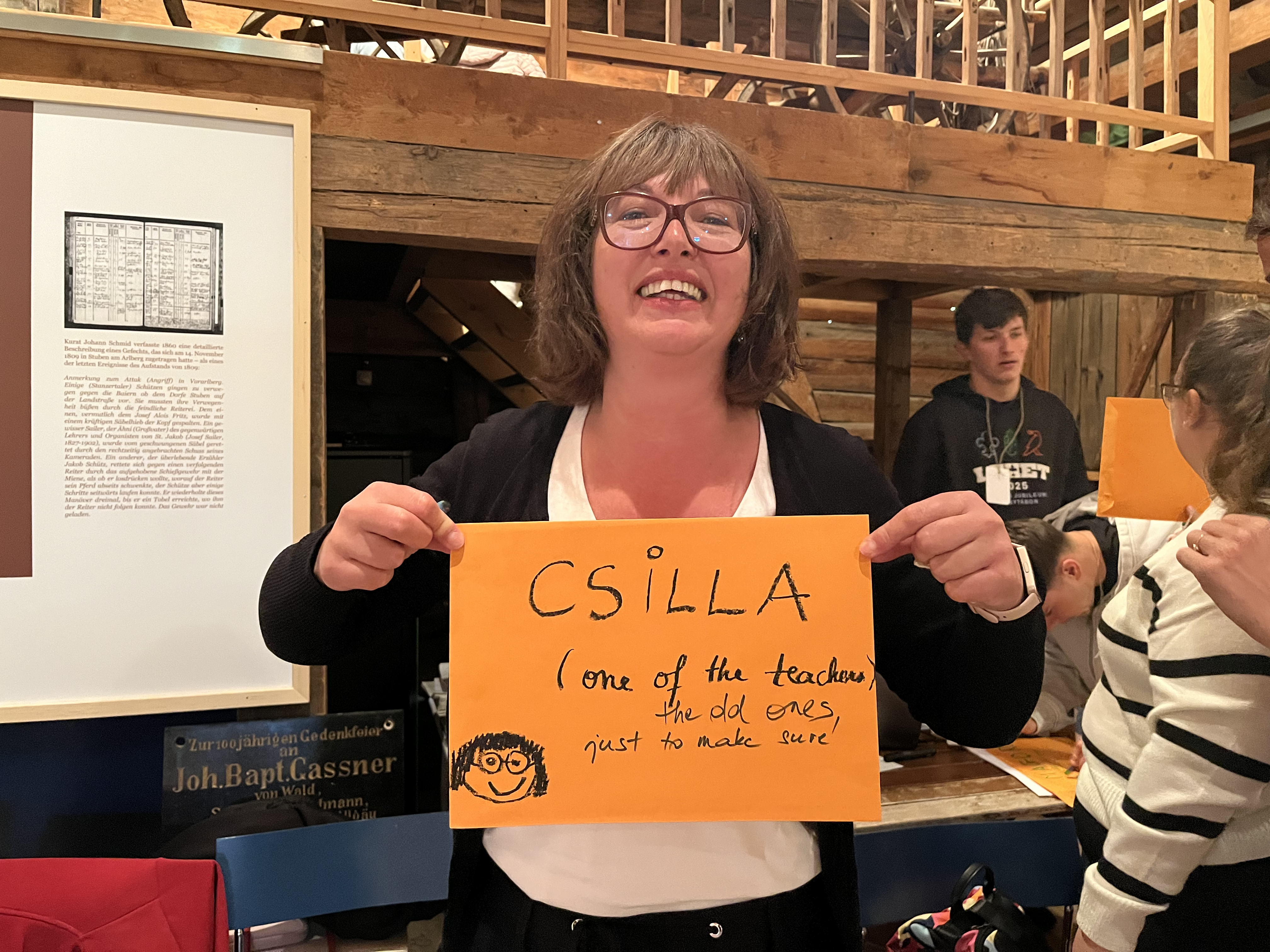
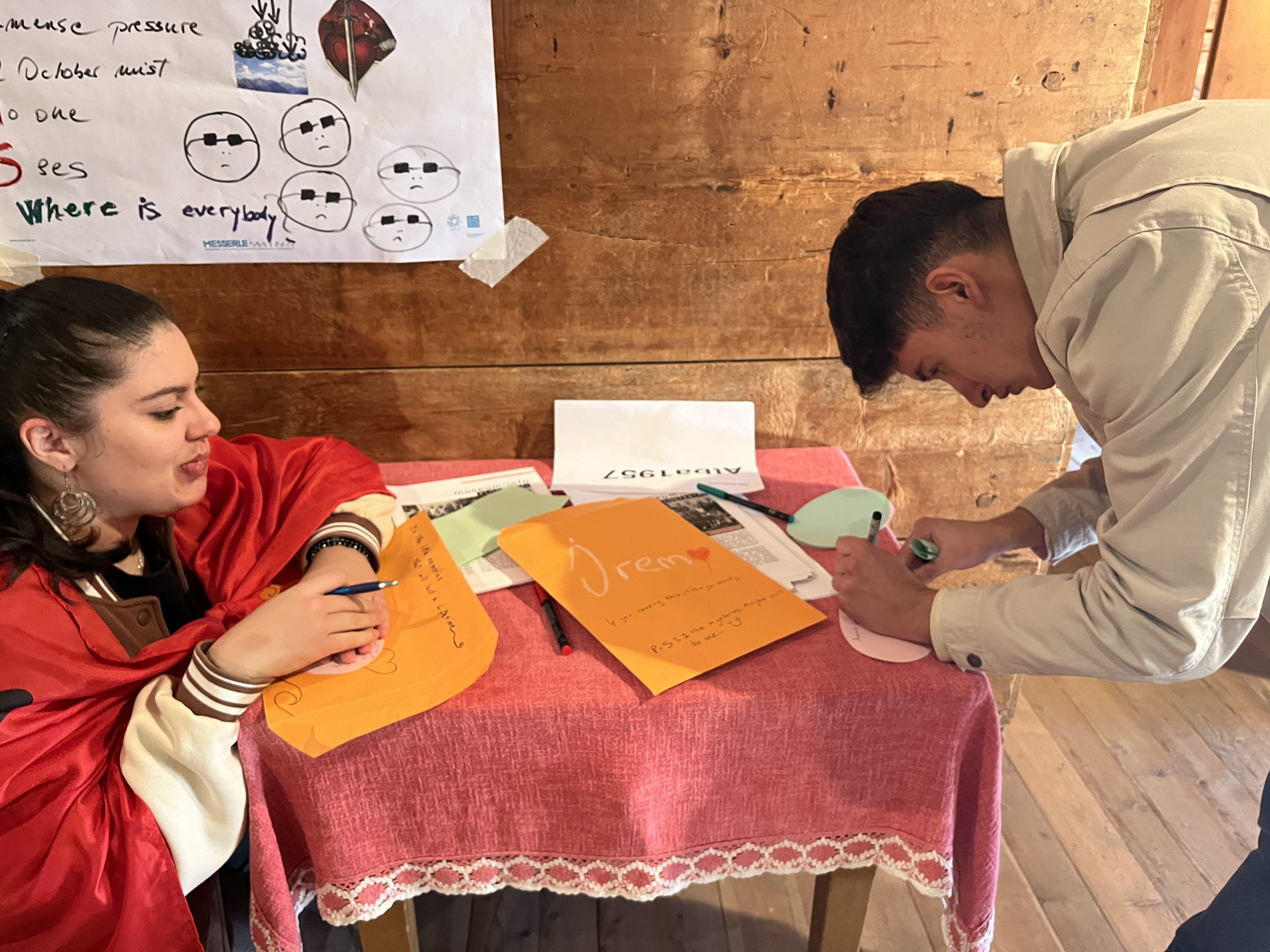
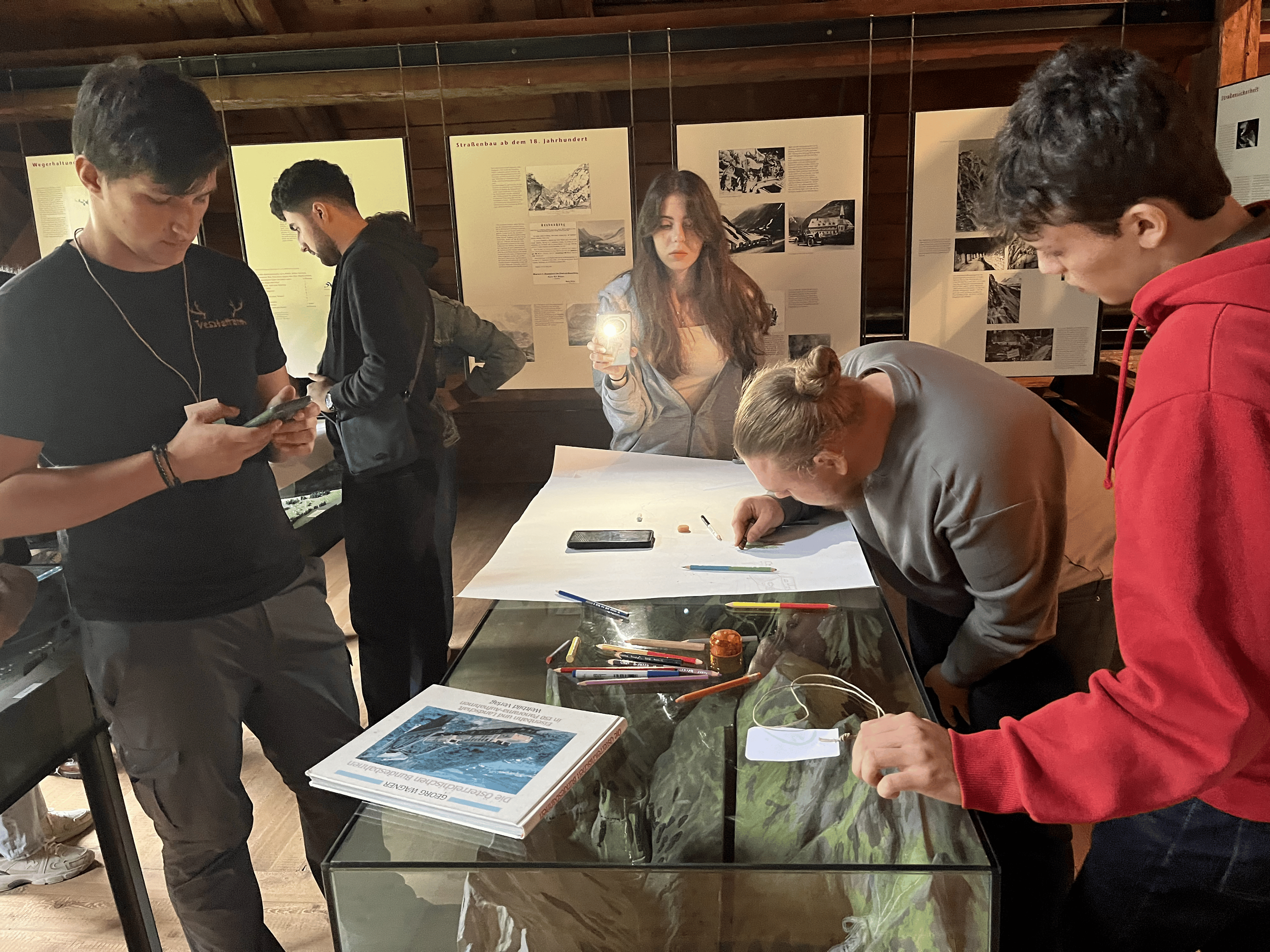
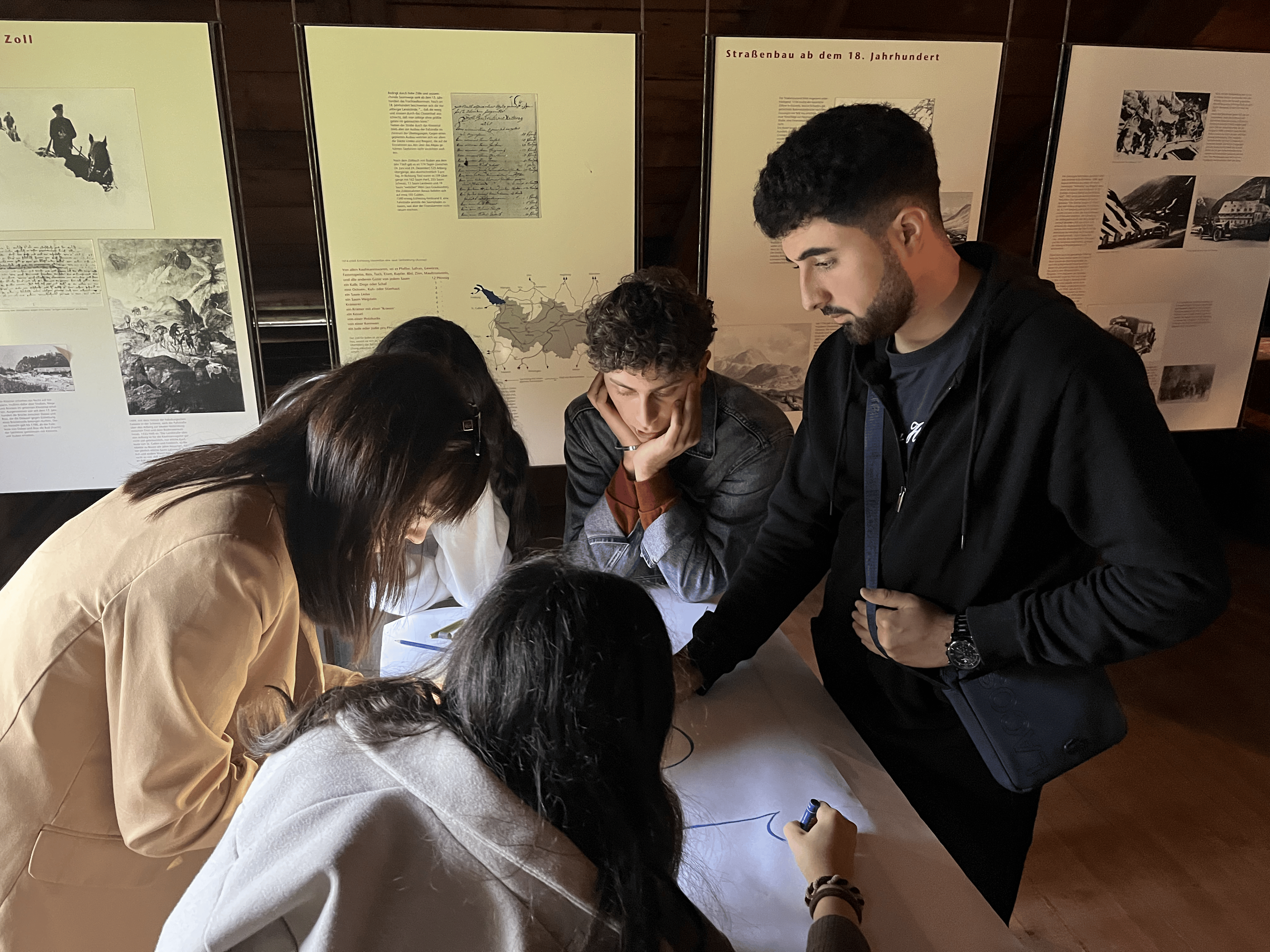
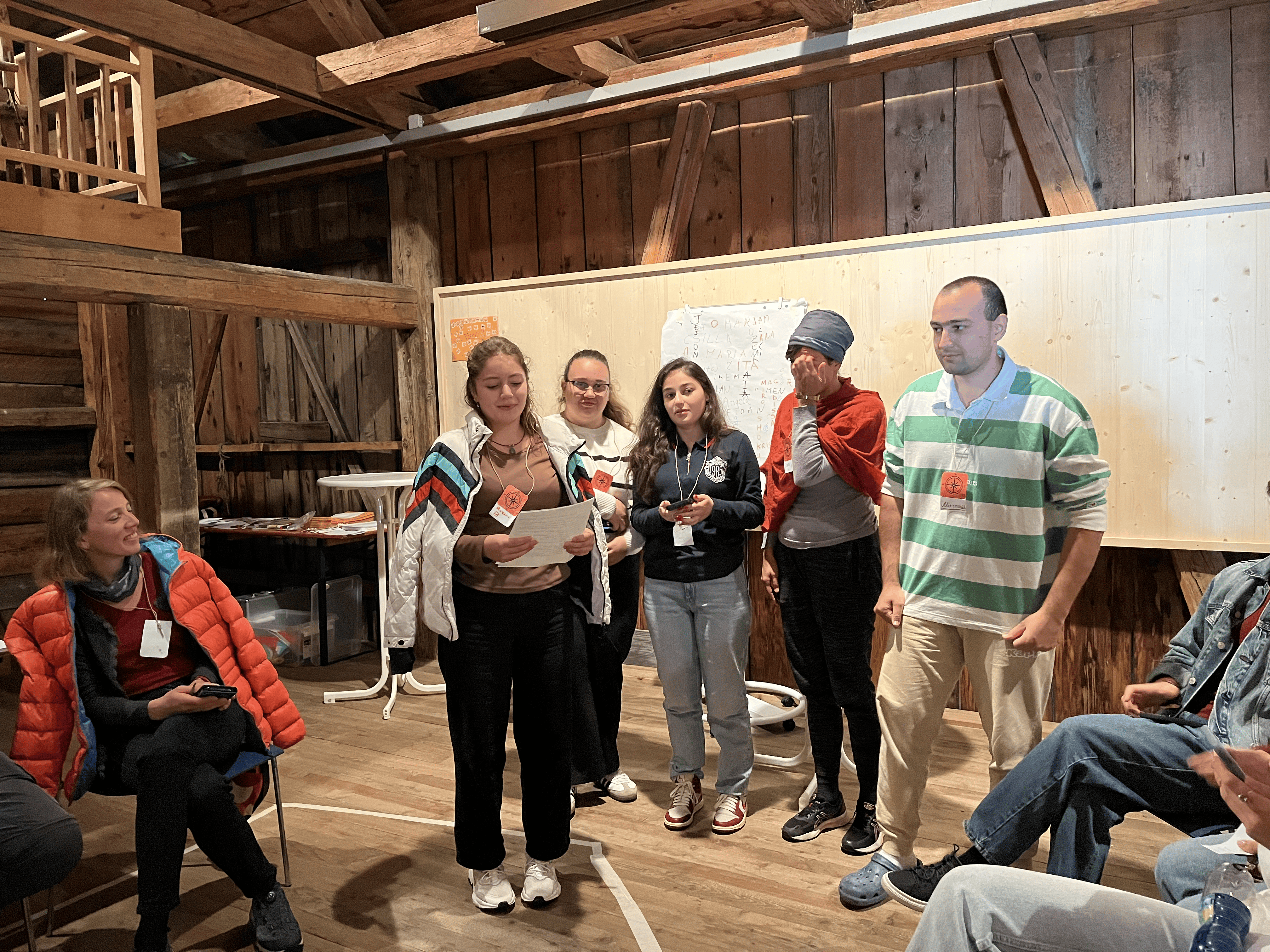
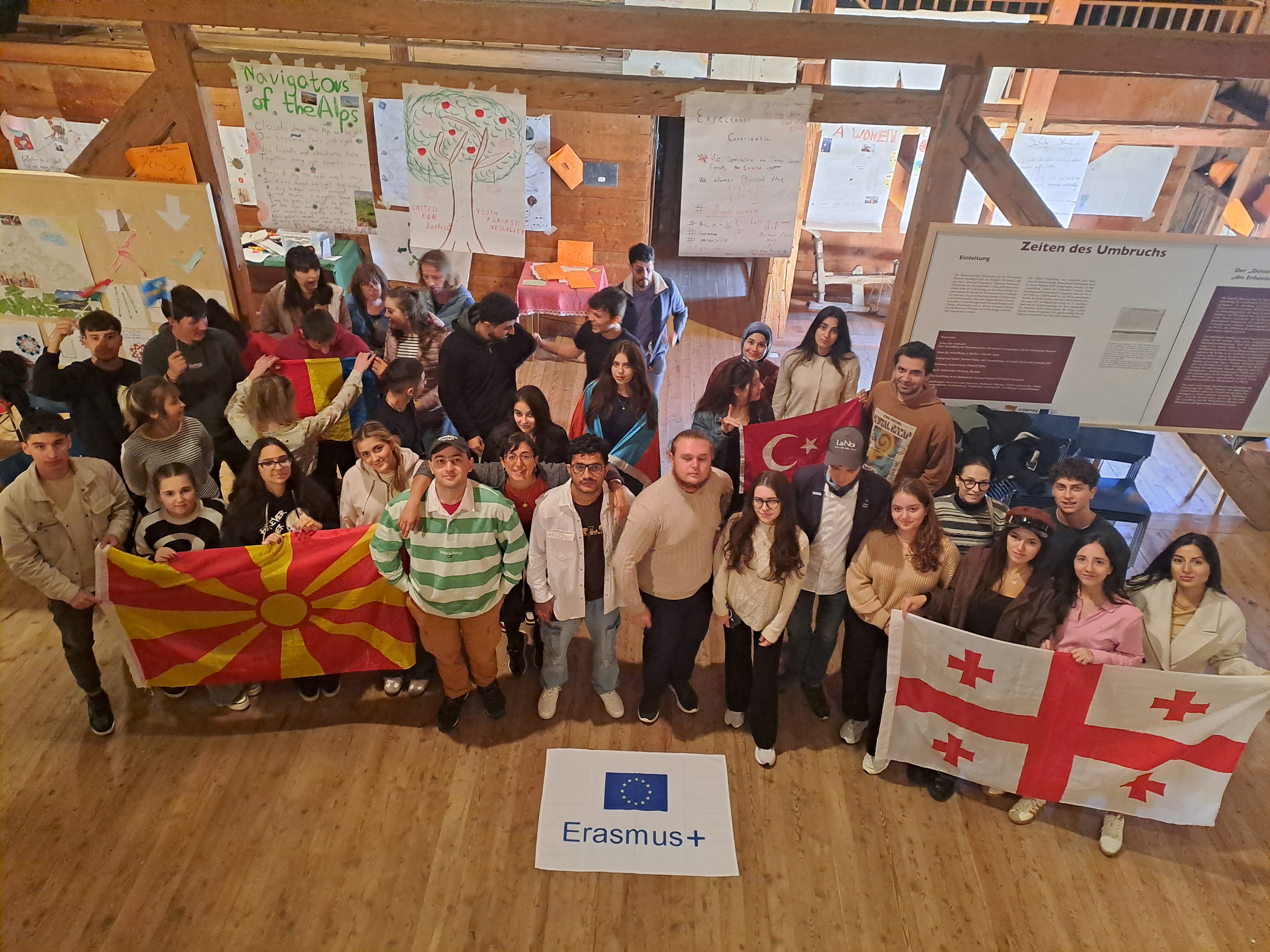
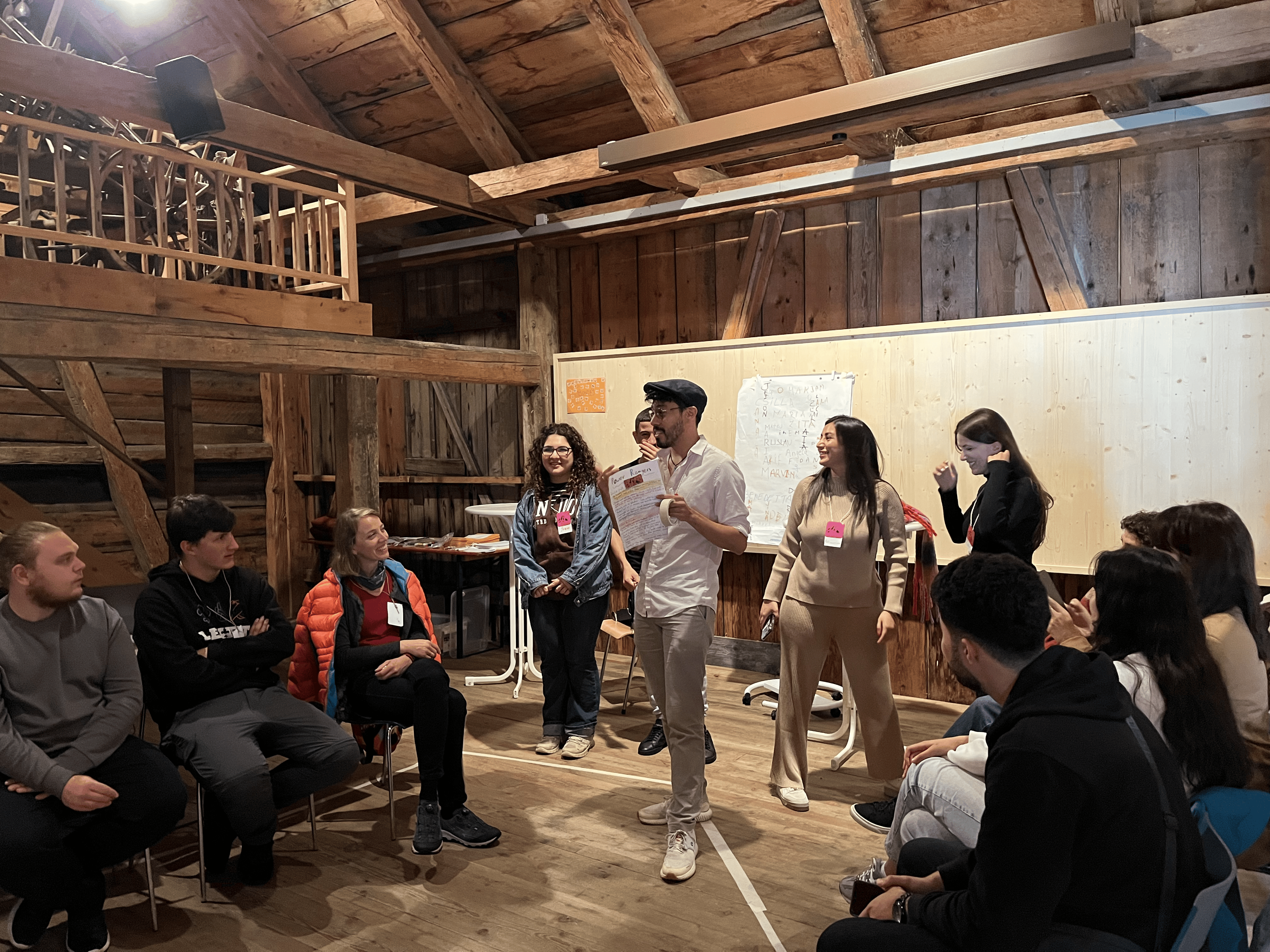
The project was built around an international training course hosted in Wald am Arlberg, Austria. During the mobility, youth workers explored how biblioguidance, bibliotherapy and storytelling could be used as practical tools in everyday youth work. Through non-formal education methods, they worked with books, texts, personal narratives, creative writing and visual storytelling to create safe spaces where young people could reflect on their experiences, express emotions, build resilience and feel more included in their communities.
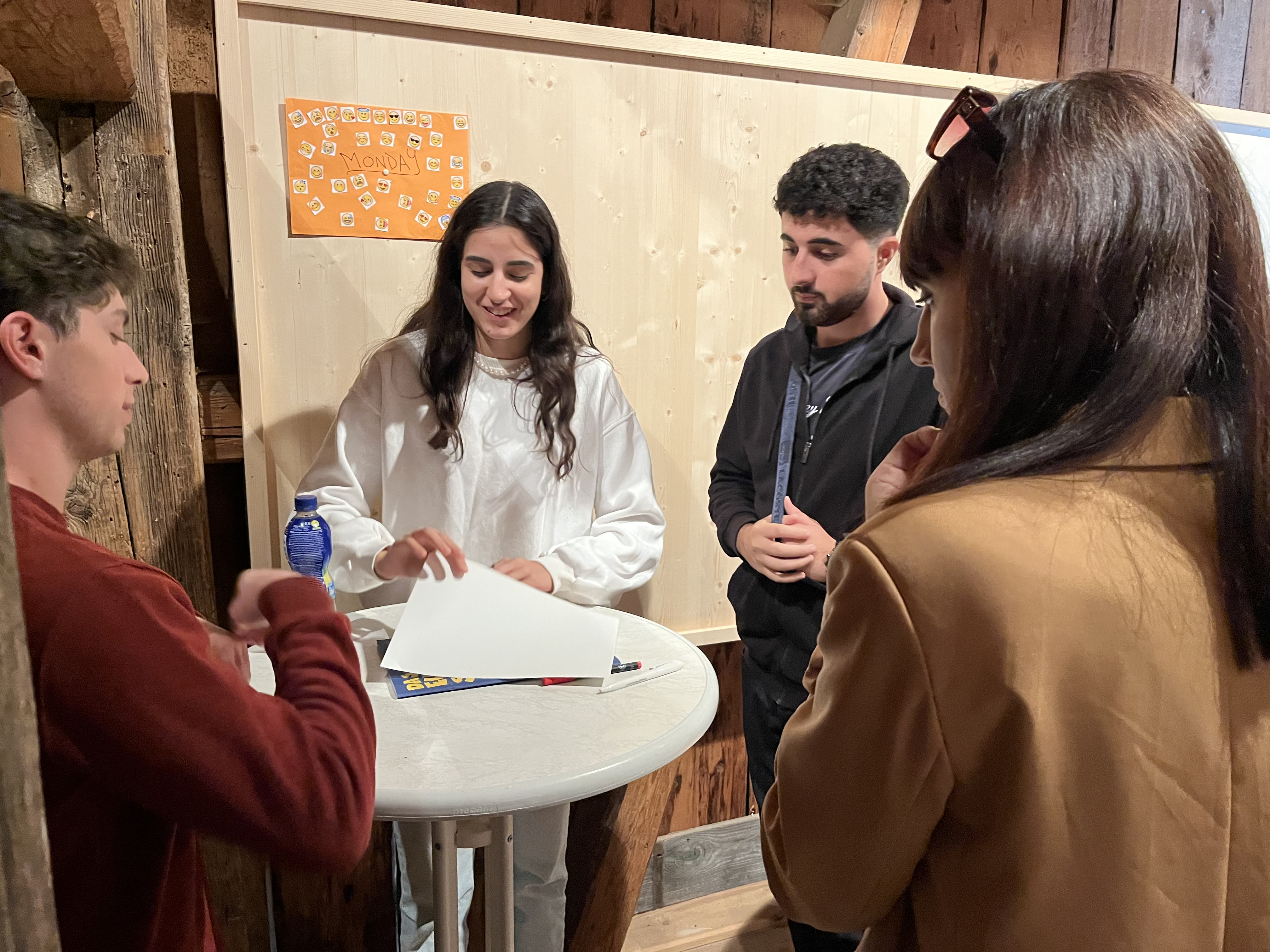
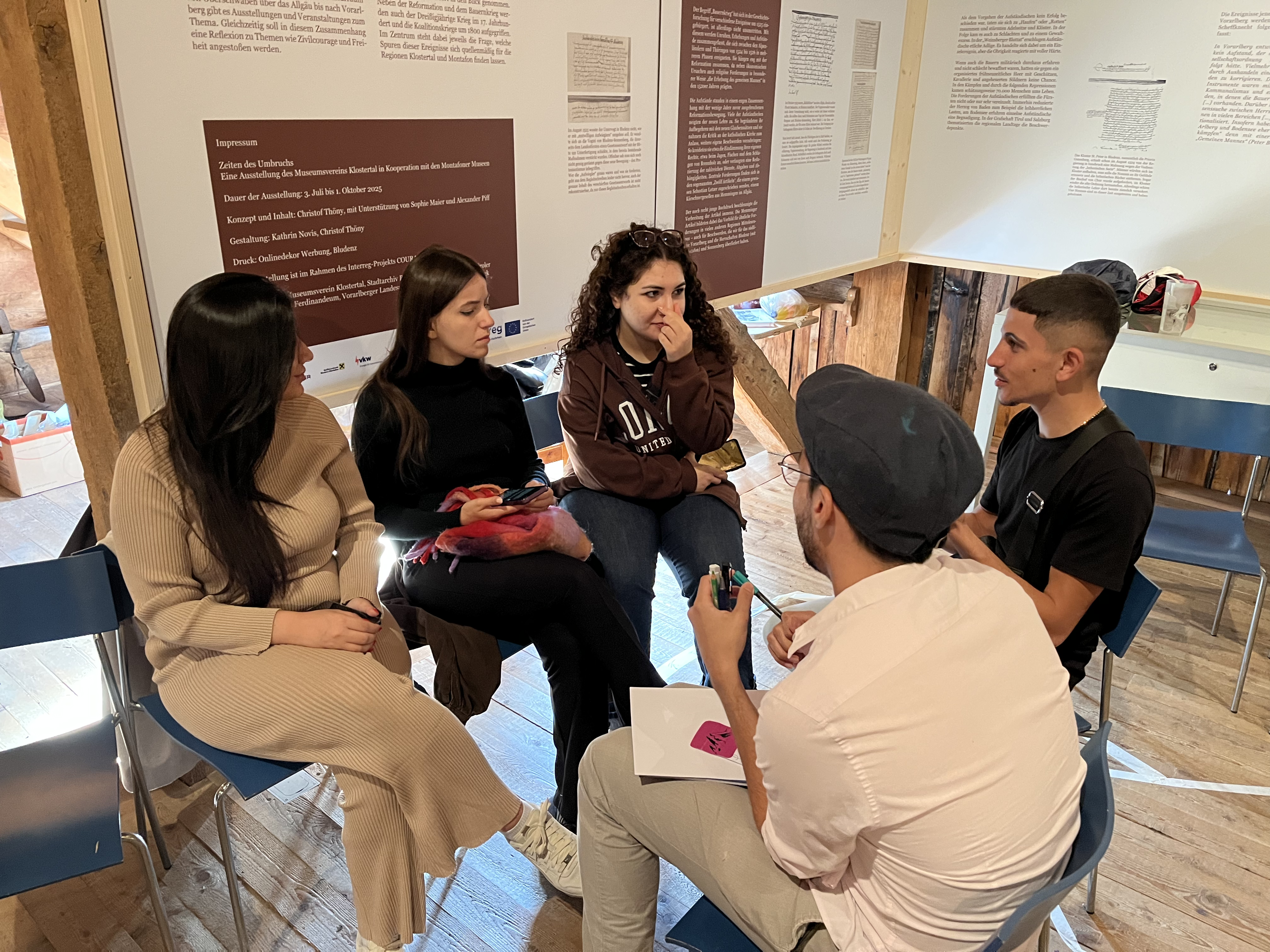
Narrative Navigators addressed the growing need for youth workers to respond to complex emotional and social challenges faced by young people, including marginalisation, discrimination, migration-related difficulties and reduced sense of belonging. The project introduced structured narrative and reading-based approaches that helped youth workers facilitate dialogue on sensitive topics, support mental and emotional wellbeing and encourage positive interpersonal relationships.
The participating organisations brought experience in youth work, non-formal education, creative arts, intercultural learning and social inclusion. By working together, they strengthened the quality of their youth work practices, exchanged methods, and developed a shared understanding of how stories and literature can be used in youth work with young people from diverse backgrounds, including those with fewer opportunities.
Narrative Navigators contributed to the priorities of the Erasmus+ Programme by promoting inclusion, supporting mental health and wellbeing and fostering intercultural cooperation among youth workers and young people. Participants were encouraged to transfer the methods they learned into their local contexts and to explore opportunities for future initiatives within the Erasmus+ framework based on storytelling and bibliotherapy.
.svg)
.svg)